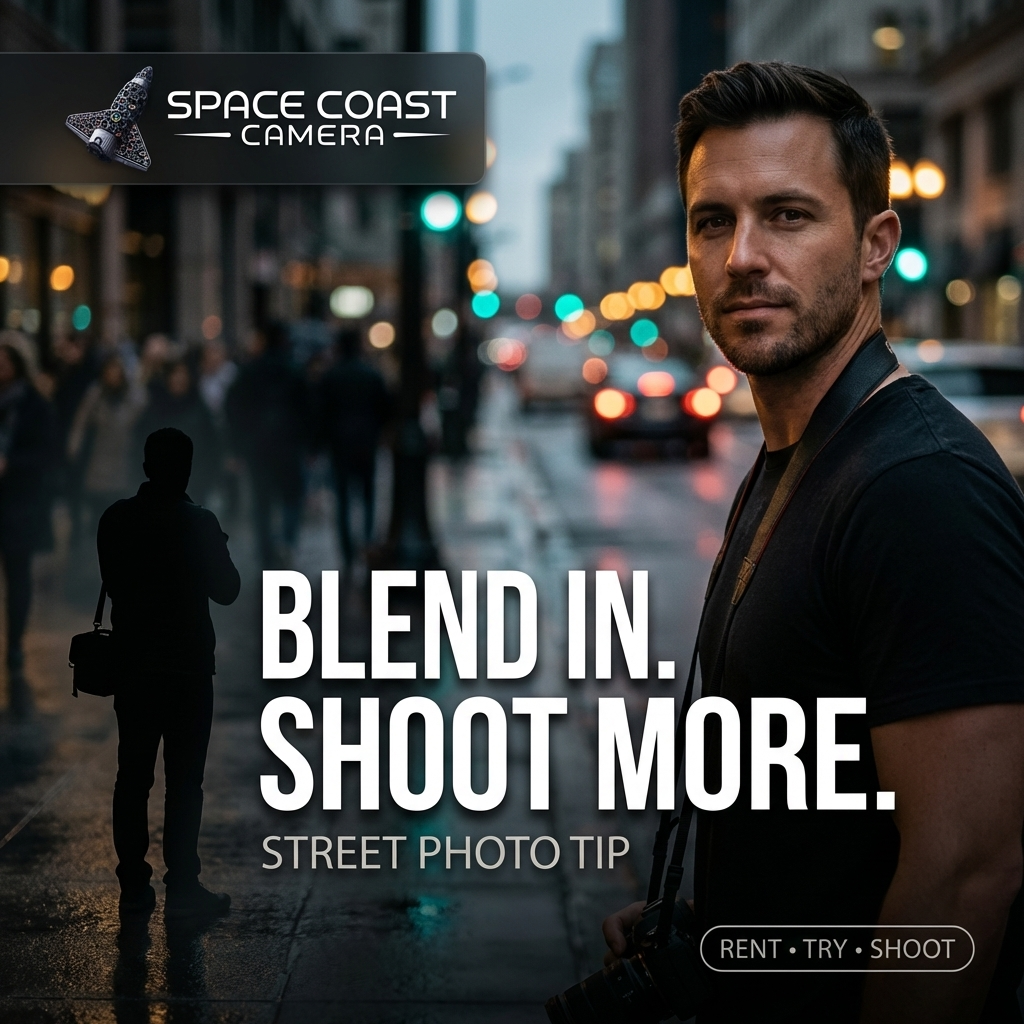
Street Photography Basics: Dressing Low-Key to Blend In
Street Photography Basics: Dressing Low-Key to Blend In
Street photography often relies on real, unposed moments. One of the simplest ways to stay unobtrusive is to dress in a low-key, neutral way that does not draw unnecessary attention. This guide explores how clothing choices, camera bags, and accessories can help you blend in while still staying safe, respectful, and prepared.
Why Blending In Matters in Street Photography
Blending in is less about hiding and more about minimizing distraction. When your appearance does not stand out, people are less likely to focus on you and more likely to continue their normal routines. This can support more natural, candid images and reduce the chance that your presence feels intrusive.
Dressing low-key can also help in practical ways:
- Reduces the likelihood of drawing unwanted attention to your gear.
- Makes it easier to move through crowds without interruption.
- Helps subjects feel more at ease in public settings.
- Supports a professional, respectful approach to photographing daily life.
Principles of Low-Key Clothing for Street Photography
There is no single uniform for street photography, but some general principles can make you less visually prominent. The goal is to look like you belong wherever you are shooting.
Choose Neutral, Non-Reflective Colors
Bright colors and reflective materials catch the eye and can draw attention away from the scene. For most situations, consider clothing that uses:
- Neutrals such as gray, navy, black, or earth tones.
- Muted shades rather than high-saturation colors.
- Non-shiny fabrics without large logos or graphics.
Neutral colors can help you visually recede into the background, especially in busy urban environments.
Avoid Clothing That Signals You Are Carrying Gear
Certain clothing styles can signal that you are carrying valuables or are part of an official crew. When possible, avoid items that may attract attention to your equipment, such as:
- Highly branded camera vests with many visible pockets.
- Official-looking lanyards or badges when not required.
- Large branded logos of camera companies or high-end gear brands.
Instead, consider simple, everyday clothing that fits the local environment. Aim to look like a typical pedestrian, student, or commuter rather than an obvious photographer.
Dress for Local Norms and Conditions
Blending in also means aligning with how people typically dress in that area and season. For example, beach towns, downtown business districts, and college campuses all have different norms. When you can, observe what others wear and choose something similar in style and formality.
Comfort is also important. Street photography can involve walking long distances, standing for extended periods, and reacting quickly to changing conditions.
- Wear comfortable shoes suitable for walking.
- Dress in layers to adapt to temperature changes.
- Choose fabrics that breathe well in warm, humid climates.
Managing Camera Bags and Accessories Discreetly
Even if your clothing is low-key, a large, conspicuous camera bag can still stand out. Thoughtful bag and accessory choices help you stay organized while remaining relatively unobtrusive.
Choose a Bag That Does Not Scream Camera
Many modern camera bags are designed to look like ordinary backpacks or messenger bags. When selecting a bag for street photography, consider:
- Simple, unbranded or minimally branded designs.
- Muted colors that match your clothing.
- Compact size that fits only what you need.
A low-profile bag can reduce attention to your equipment and may be more comfortable in crowded public areas.
Limit Excess Accessories
Carrying too many visible accessories can make you look like part of a production crew, which may not suit low-key street work. When possible, keep accessories streamlined:
- Use a small strap instead of a wide, brightly branded one.
- Avoid hanging multiple lenses or pouches outside your bag.
- Store extra batteries and cards inside pockets or internal compartments.
Keeping your setup simple can also make it easier to move quickly and comfortably.
Consider How You Carry Your Camera
The way you carry your camera can affect how noticeable you are. Options include:
- Cross-body straps that keep the camera at your side and stable while walking.
- Wrist straps for minimal setups, allowing you to keep the camera partially concealed when not in use.
- Neck straps worn short, positioning the camera close to your torso rather than swinging in front of you.
Whichever method you choose, aim for secure, comfortable handling that supports your style of shooting while keeping movement controlled and quiet.
Balancing Discretion, Safety, and Respect
Blending in is not only about getting candid photos. It is also about acting with awareness and respect for the people and places you photograph.
Stay Aware of Local Laws and Customs
Different locations have different expectations about photography in public spaces. Before heading out, it is wise to review local regulations, building rules, and cultural norms. In some places, photography may be limited in certain areas, and in others, people may prefer not to be photographed at all.
Your clothing and behavior should support a respectful, transparent approach. If someone expresses discomfort or asks not to be photographed, it is generally advisable to respect their wishes.
Do Not Use Clothing to Mislead
Dressing low-key is not about impersonating officials or attempting to bypass rules. Avoid clothing or accessories that could misrepresent who you are, such as uniforms, badges, or safety vests, unless they are legitimately required for access and you are authorized to wear them.
Ethical street photography prioritizes honesty, safety, and respect over getting any single image.
Think About Personal Safety
Because camera equipment can be valuable, it is sensible to take basic precautions. Blending in can reduce attention, but it is not a guarantee of safety. Some general considerations include:
- Avoid displaying multiple camera bodies or large lenses unnecessarily.
- Be discreet when changing lenses or checking gear in busy public spaces.
- Work with a companion when possible, especially in unfamiliar areas.
- Trust your instincts and move on if a situation feels uncomfortable.
Adapting Your Look to Different Street Photography Styles
The ideal low-key outfit may change depending on your approach to street photography. Being intentional about your style can help you work more comfortably and confidently.
Casual, Everyday Shooter
If your goal is to capture daily life during regular errands or commutes, your usual casual clothing may already be suitable. Think of your camera as just another item you carry, much like a phone or notebook.
Focus on:
- Neutral tops and bottoms that match local styles.
- Comfortable shoes for walking and standing.
- A small bag or no bag at all if you are using a compact camera.
Urban or Night Street Photography
For evening or night work, visibility and safety become more important. While you may still prefer darker clothing, consider modest reflective elements for crossing streets or standing near traffic, such as small reflective strips or accessories designed for safety.
At night, a low-key look might include:
- Dark, non-reflective clothing paired with subtle safety elements.
- A jacket with secure pockets for batteries and memory cards.
- A compact tripod or support that folds away discreetly when not in use.
Event-Adjacent Street Photography
When photographing around festivals, markets, or public gatherings, blending in may involve dressing similarly to attendees. If the event is colorful and casual, neutral but relaxed clothing can work well. For more formal environments, consider slightly smarter clothing that still allows easy movement.
In all cases, your goal is to remain part of the environment rather than the center of attention.
Preparing Your Kit to Match Your Clothing
Your clothing choices and gear choices work together. A minimal, low-key outfit pairs well with a simple, efficient kit. Before heading out, you might:
- Select one primary lens or a very small set of lenses.
- Check that all batteries are charged and memory cards are formatted.
- Pack only the accessories you are likely to use that day.
- Ensure your bag and straps are adjusted for comfortable, quiet movement.
This preparation can help you focus more on observing and composing images and less on managing complex gear changes in public spaces.
Summary: Dress to Support Your Photography
Dressing low-key for street photography is about supporting your work, not disguising it. Neutral, comfortable clothing; understated bags; and simple accessories can help you move through public spaces with less distraction while still remaining visible and responsible.
By approaching clothing and gear choices intentionally, you can create an environment where you are able to pay closer attention to light, timing, and composition, while the people around you feel as undisturbed as possible.
If you are considering different camera bodies, lenses, or accessories to refine your street photography approach, a rental-focused shop can be a practical way to explore options before making long-term decisions. For information about available gear or to discuss what may suit your style of shooting, Contact Space Coast Camera.


